
Panchakarma in Abu Dhabi
Ayurveda's structured cleansing programme: a preparation phase, one or more elimination therapies and a rebuilding phase, planned and supervised by a doctor over one to three weeks.
- Session
- 90–150 minutes a day
- Typical course
- 7 to 21 consecutive days
- Prescribed by
- An Ayurvedic doctor, after consultation
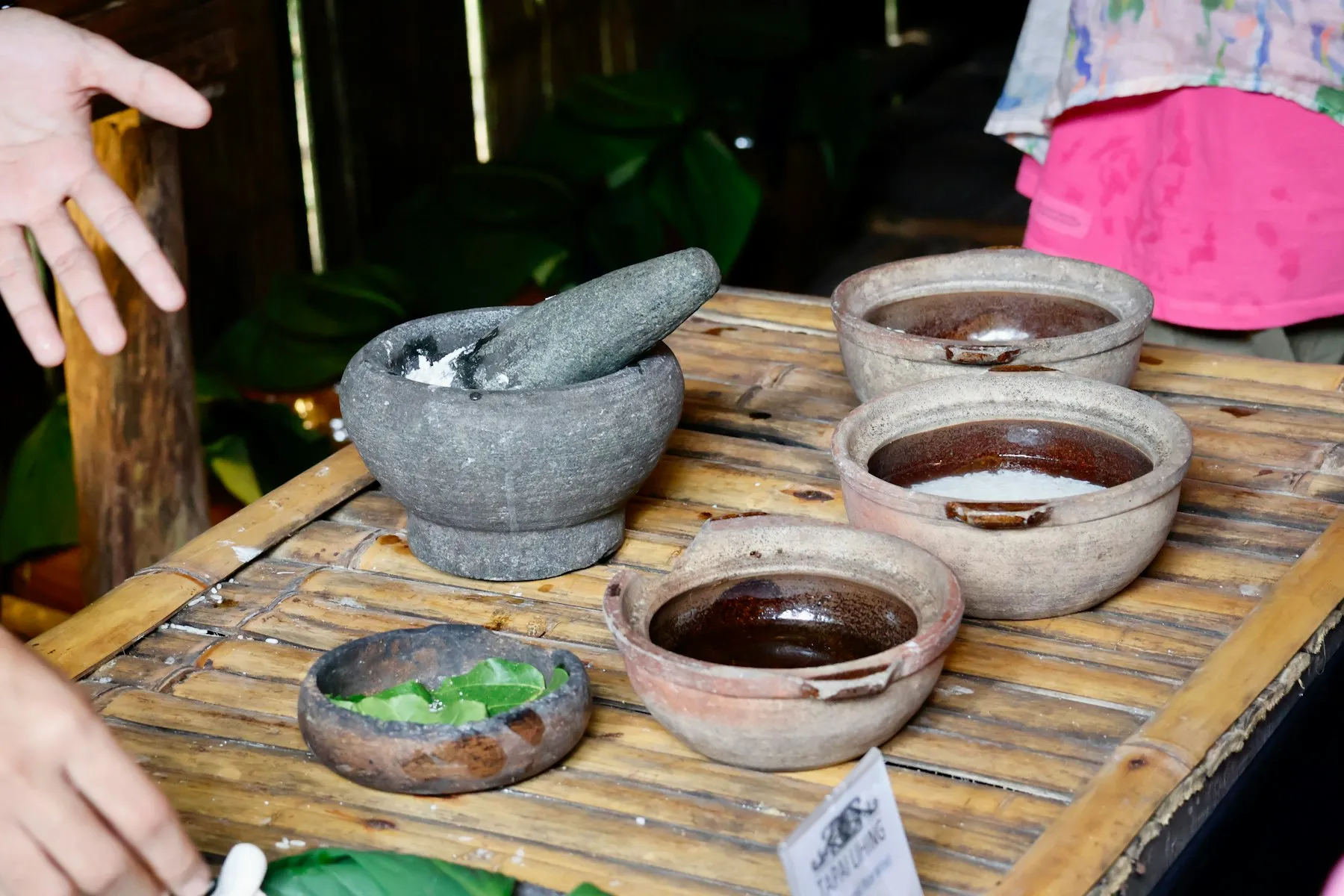
What Panchakarma is
Panchakarma, literally “five actions”, is the classical Ayurvedic cleansing programme. It is not a single treatment but a sequence: the body is first prepared with internal and external oiling and herbal steam (Purvakarma), then one or more elimination therapies are carried out (Pradhanakarma), and finally diet and routine are rebuilt in stages (Paschatkarma). The five classical actions are Vamana, Virechana, Basti, Nasya and Raktamokshana; a modern doctor selects only those that fit the person, and often only one or two.
At Samatvam, Panchakarma is planned by an Ayurvedic doctor after a consultation and reviewed every day you attend. The centre was planned for it, with wooden steam cabinets and the time and privacy the programme needs.
Who it is traditionally recommended for
In Ayurvedic practice, Panchakarma is used as a periodic reset for people who feel generally sluggish or heavy, and as the foundation of longer plans for long-standing complaints involving digestion, joints, skin, sleep or the nervous system. It is also traditionally taken seasonally, at the change of seasons, by people who are otherwise well.
Your doctor will assess whether it suits you now, whether a shorter version is wiser, or whether other therapies should come first. Panchakarma is demanding on the body, and part of the doctor’s job is to say when it is not the right time.
What happens during the programme
Days 1 to 5, preparation. Each day begins with a warm oil massage (Abhyanga) followed by herbal steam. Depending on the plan, you may also take a small measured dose of medicated ghee in the morning at home. The doctor checks how you are digesting and sleeping and adjusts the dose.
Elimination days. When the doctor judges the body ready, the main therapy is carried out under supervision. Which one, and how it is done, depends entirely on your plan; it is explained fully beforehand, including what to expect at home that evening.
Rebuilding days. Food is reintroduced from thin gruels to normal meals over several days, with gentle therapies such as Shirodhara added if the plan calls for them.
How many days are typical
Seven days is the shortest programme we offer. Fourteen and twenty-one days are common for people using Panchakarma as part of managing a long-standing complaint. The doctor may also suggest a “mini” version of oiling and steam only, without the elimination phase, for people who want to start gently.
Aftercare
- Follow the graded diet exactly for the days the doctor specifies.
- Keep evenings quiet: early meals, early sleep, no strenuous exercise for about a week.
- Avoid cold drinks, late nights and heavy or fried food during the rebuilding phase.
- Attend the review appointment so the doctor can set your longer-term routine.
If anything feels wrong at any point, contact the centre the same day.
Related
Often planned alongside
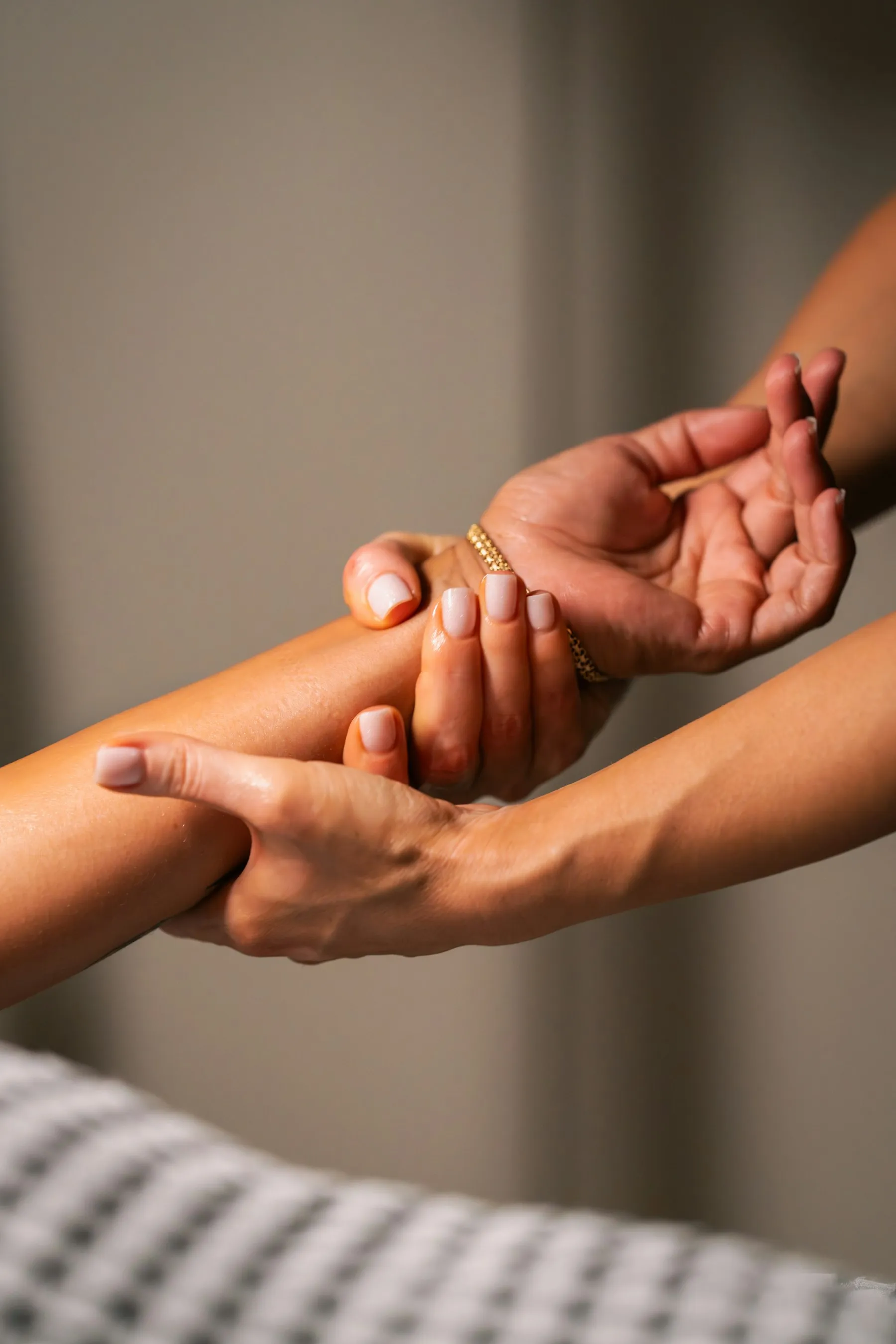
Abhyanga oil massage
A full-body massage with warm medicated oil chosen for your constitution, using long rhythmic strokes. Given on its own or as the daily first step of Panchakarma.
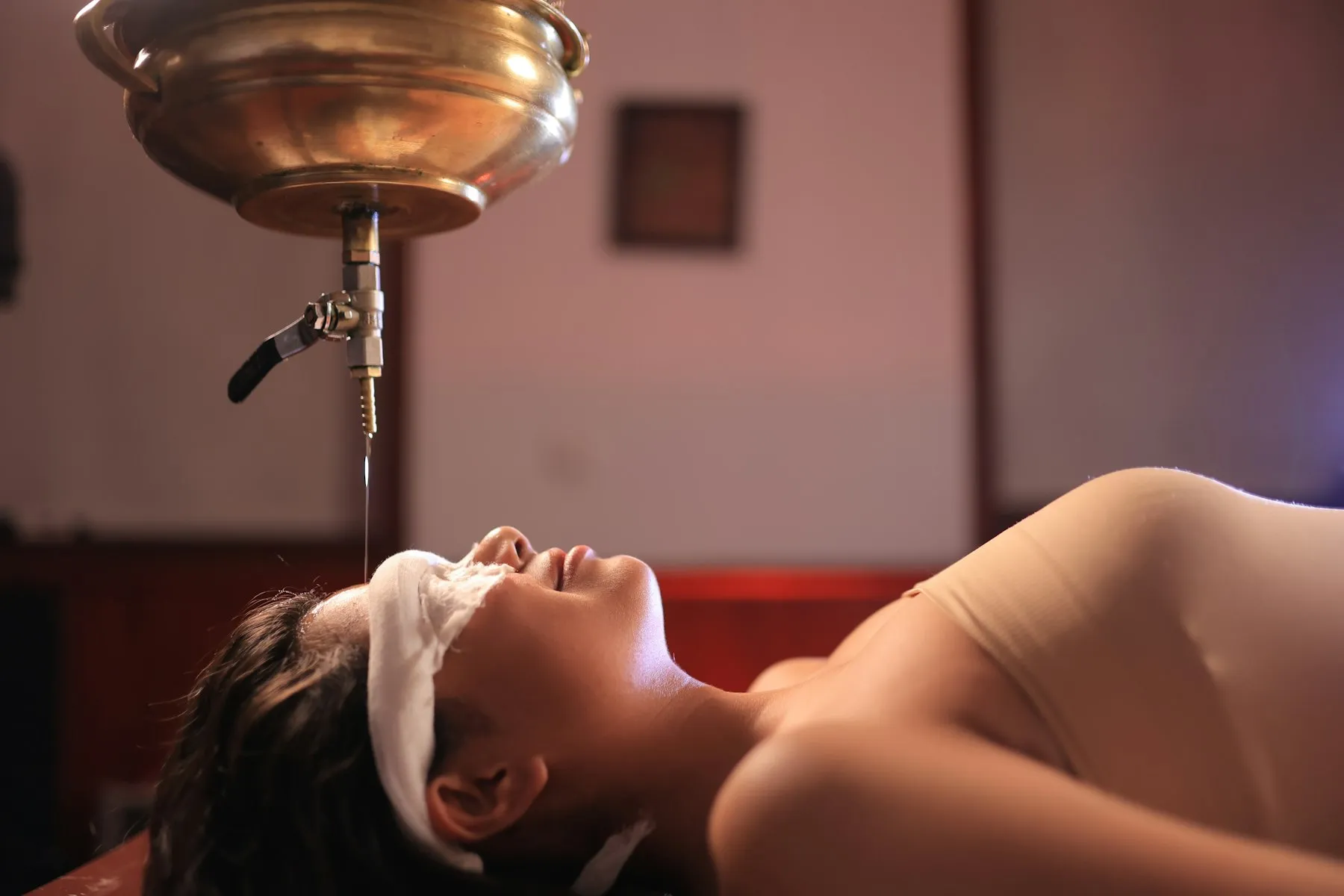
Shirodhara
A thin, unbroken stream of warm medicated liquid poured across the forehead for 30 to 45 minutes. Traditionally used to settle the mind, support sleep and ease tension.
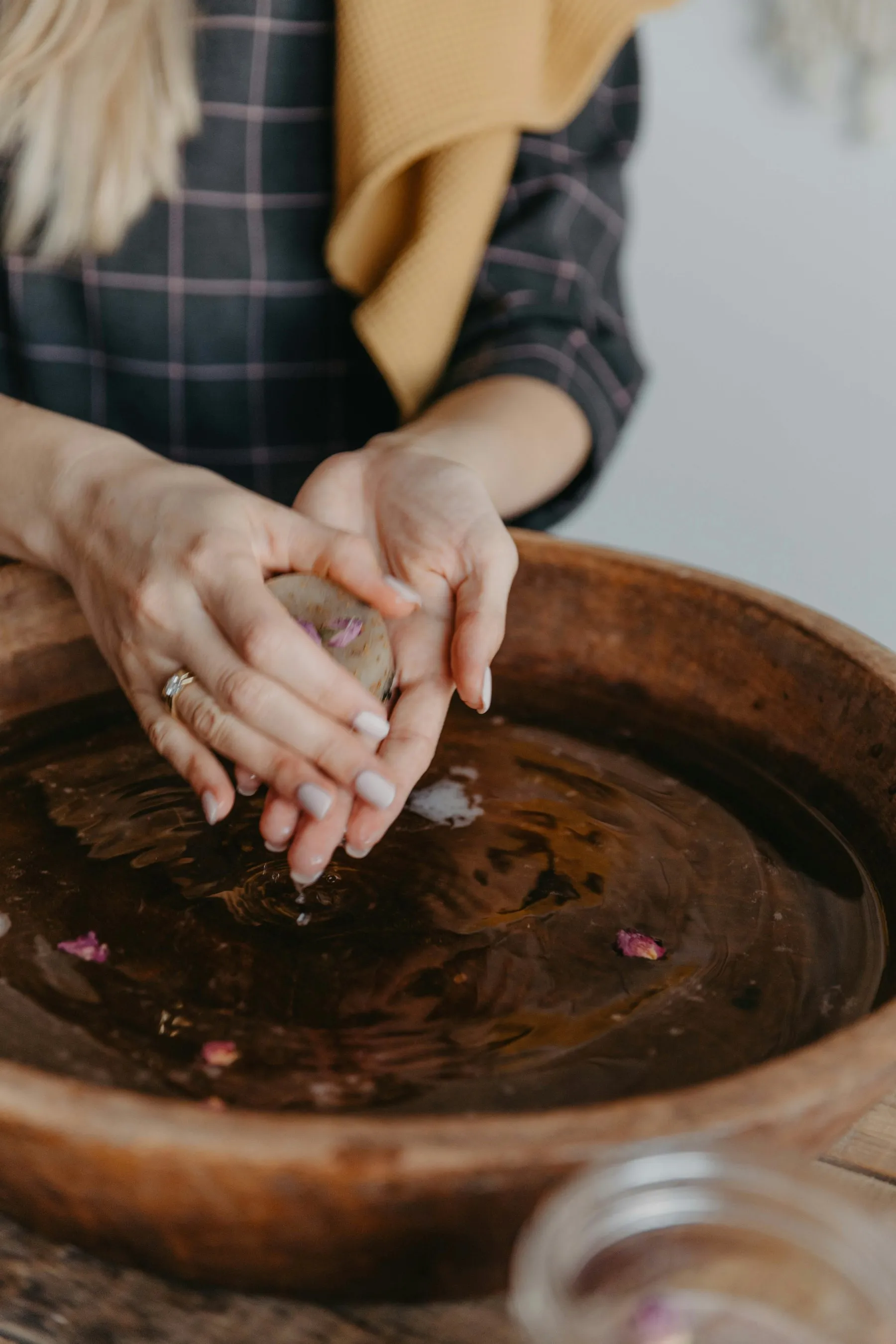
Herbal steam (Swedana)
Herbal steam in a wooden cabinet, with the head kept cool, given for 10 to 20 minutes after warm-oil therapies. Traditionally used to loosen stiffness and complete the effect of oiling.
Good to know
Questions about panchakarma
If your question is not here, ask us before you book. There is no obligation.
How long does Panchakarma take?
Most programmes at Samatvam run 7 to 21 consecutive days, with 90 minutes to two and a half hours at the centre each day. Your doctor sets the length after the consultation; shorter, gentler versions exist for people who cannot take that much time.
Do I have to stay at the centre?
No. Samatvam is a day clinic. You come in each morning or afternoon and go home to rest. The doctor gives you clear instructions on food, activity and sleep for the hours in between, and following them matters as much as the sessions themselves.
Is Panchakarma uncomfortable?
The oiling and steam phases are usually pleasant. The elimination days can be tiring and some people feel washed out for a day or two; this is expected and monitored. You will never be left to manage it alone.
Can I work during the programme?
Light work is often possible during the preparation days. On the main elimination days, and for a day after, you should plan to rest. Many people book the programme around leave for that reason.
Who should not have Panchakarma?
It is generally not suitable during pregnancy, soon after surgery, during an acute illness, or for people who are very frail or have certain heart, kidney or bleeding conditions. The doctor will screen for these at the consultation and may recommend a gentler alternative.
What happens after the programme finishes?
The rebuilding phase is part of the plan: a graded return to normal food over about a week, guidance on routine, and a review appointment. Rushing this stage is the most common way to lose the benefit of the programme.