
Ayurvedic pain management in Abu Dhabi
Warm-oil and herbal-bundle therapies for the back, neck, shoulders and knees, chosen by a doctor to suit the joint, the cause and you. Used alongside, not instead of, your existing care.
- Session
- 45–90 minutes
- Typical course
- 7 to 14 daily sessions
- Prescribed by
- An Ayurvedic doctor, after consultation
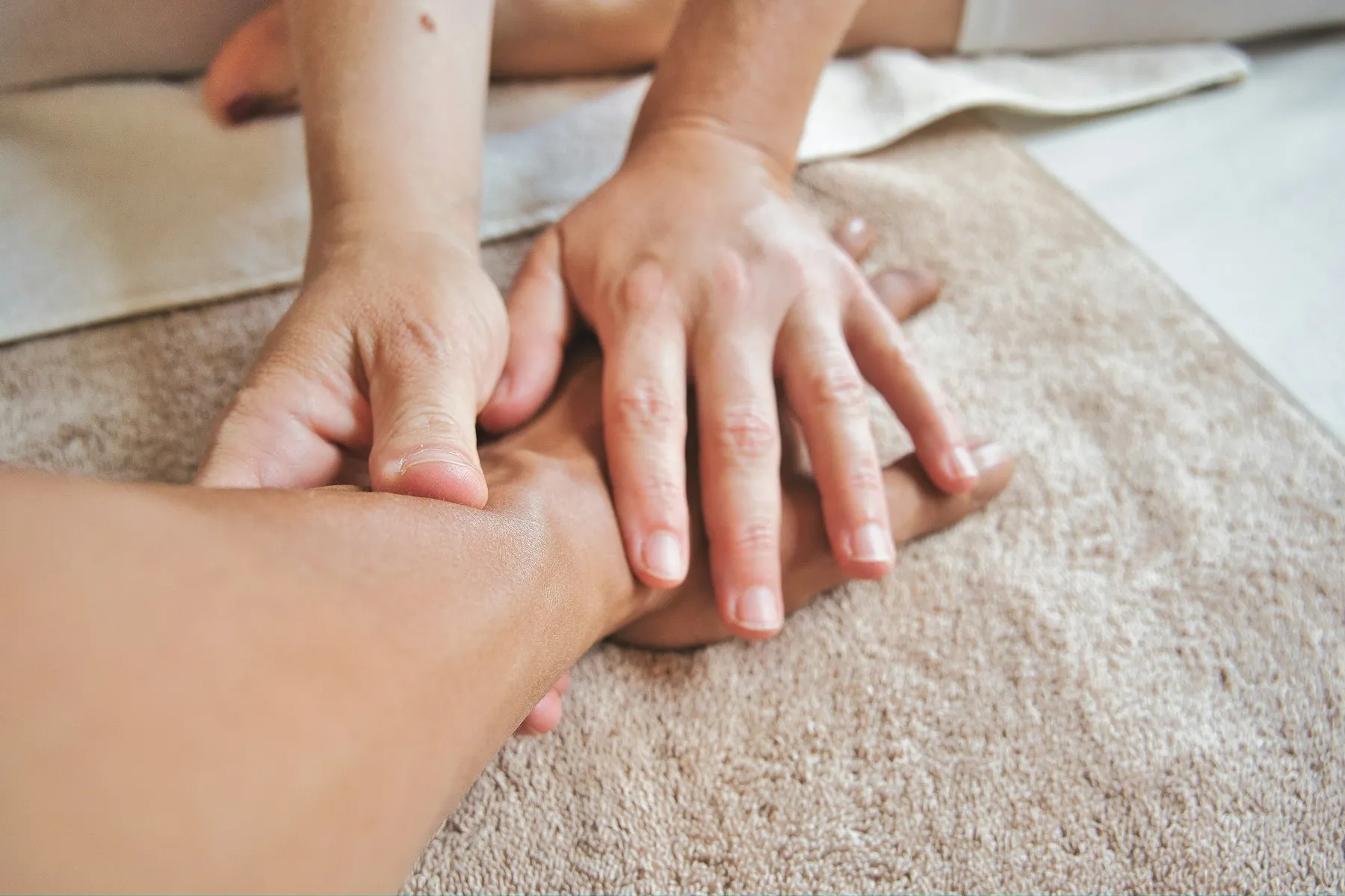
What Ayurvedic pain management involves
Ayurveda has a family of warm-oil therapies for the back, neck and joints. Rather than one “pain treatment”, the doctor chooses from them according to the site, the likely cause and your constitution:
- Kati Vasti. A ring of dough is placed over the lower back and filled with warm medicated oil, which is kept at temperature for 30 to 40 minutes.
- Greeva Vasti and Janu Vasti. The same method over the neck or the knee.
- Pizhichil. Warm oil is poured continuously over the body while therapists massage, for 45 to 60 minutes. Traditionally used for widespread stiffness and weakness.
- Kizhi (Potli). Cloth bundles filled with herbs, leaves or rice are heated and pressed rhythmically over the affected area.
- Abhyanga with steam. Full-body oil massage followed by herbal steam, often the daily base for the therapies above.
Who it is traditionally used for
In Ayurvedic practice these therapies are used to support people with long-standing back, neck and joint discomfort, morning stiffness, muscle tightness from desk work or driving, and general aches after periods of strain. Many people come after their conventional treatment has stabilised a condition and they want additional support with day-to-day comfort and mobility.
Your doctor will assess what may help in your case. Ayurvedic therapy here is not offered as a replacement for orthopaedic, rheumatology or physiotherapy care.
What happens during a session
Sessions are given in private. After a short check of how you are, the therapist prepares the chosen therapy: for a Vasti, you lie face down or on your side while the dough ring is shaped and filled; for Kizhi, you lie comfortably while the bundles are heated and applied; for Pizhichil, one or two therapists work in rhythm while oil is poured. Most sessions finish with a few minutes of steam.
Allow 60 to 90 minutes depending on the therapy.
How many sessions are typical
A course of 7 to 14 consecutive days is usual for long-standing complaints, with the doctor reviewing progress partway through. Single sessions are sometimes used for maintenance after a course.
Aftercare
- Keep the treated area warm and avoid cold draughts and cold showers on the day.
- Avoid heavy lifting and strenuous exercise for the rest of the day.
- Gentle movement and warm food help; long periods of sitting do not.
- Continue any exercises your physiotherapist has given you unless the doctor advises a pause.
Related
Often planned alongside
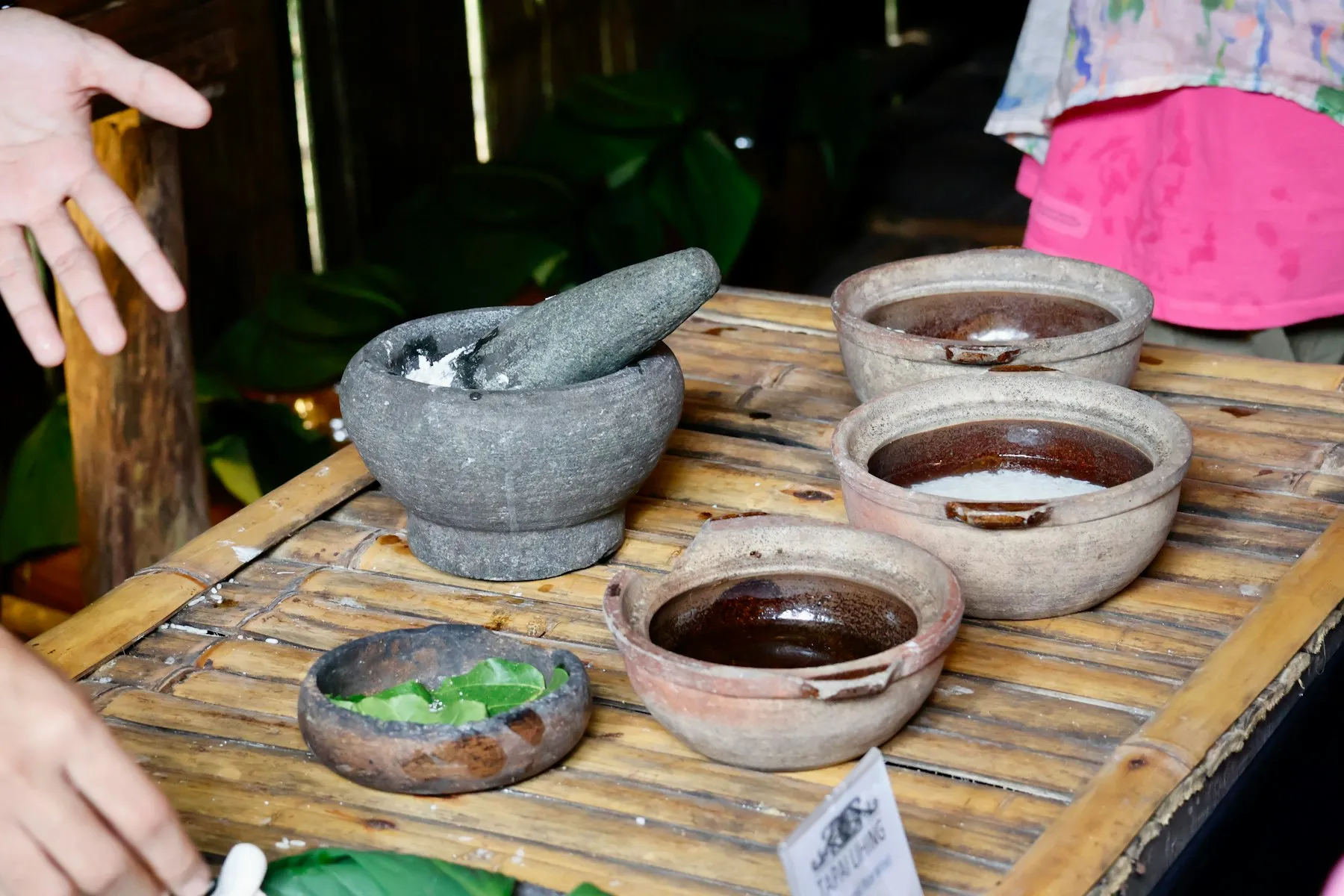
Panchakarma
Ayurveda's structured cleansing programme: a preparation phase, one or more elimination therapies and a rebuilding phase, planned and supervised by a doctor over one to three weeks.
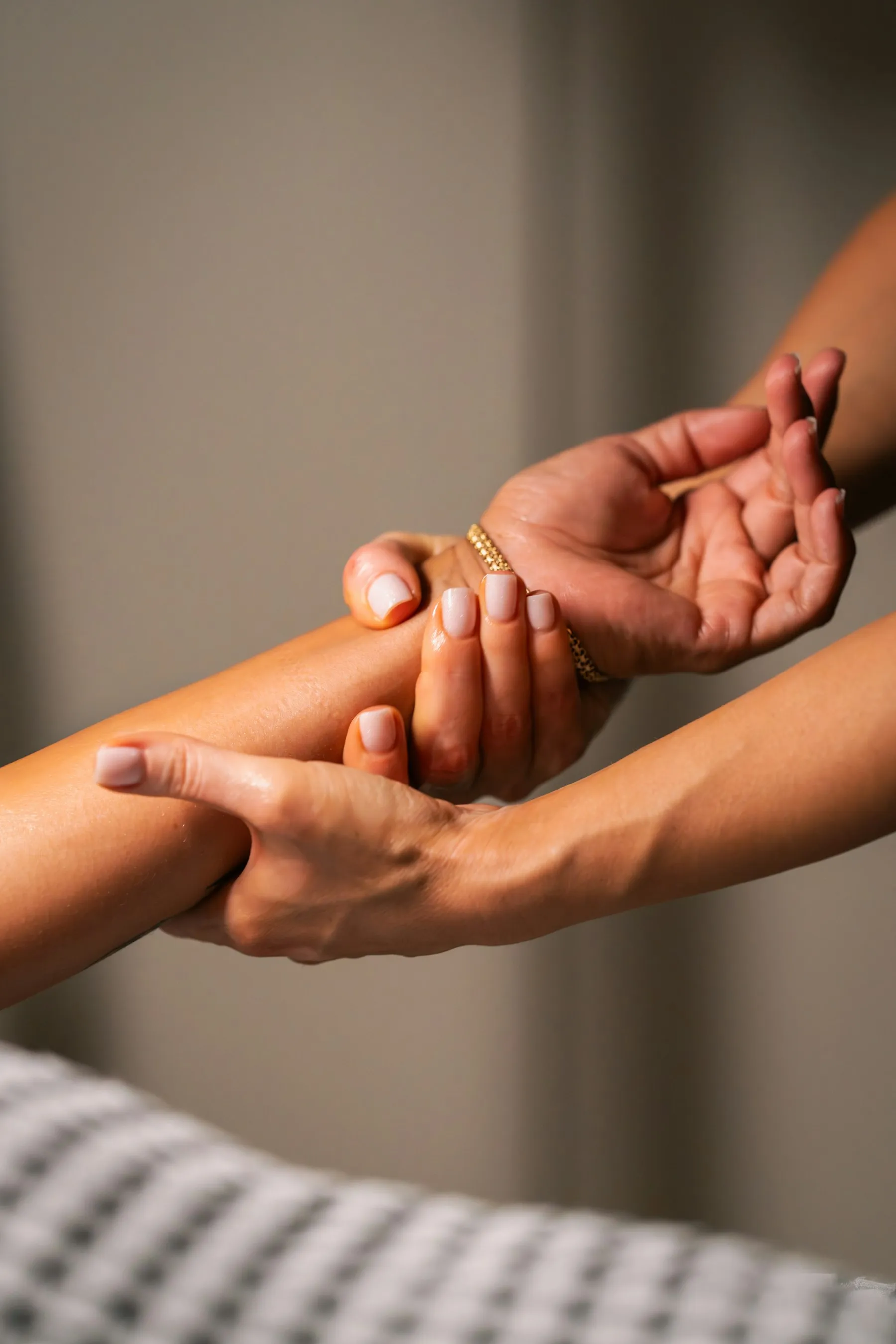
Abhyanga oil massage
A full-body massage with warm medicated oil chosen for your constitution, using long rhythmic strokes. Given on its own or as the daily first step of Panchakarma.
Herbal steam (Swedana)
Herbal steam in a wooden cabinet, with the head kept cool, given for 10 to 20 minutes after warm-oil therapies. Traditionally used to loosen stiffness and complete the effect of oiling.
Good to know
Questions about pain management
If your question is not here, ask us before you book. There is no obligation.
Which therapy will I get?
That depends on where the discomfort is, how long you have had it and what the doctor finds on examination. Lower-back complaints are often treated with Kati Vasti, neck complaints with Greeva Vasti, knees with Janu Vasti, and widespread stiffness with Pizhichil or Kizhi. Several are often combined.
Do I need a diagnosis first?
It helps. Bring any scans, reports or a letter from your orthopaedic or physiotherapy team. The Ayurvedic doctor will examine you and, if something needs imaging or another specialist first, will say so.
Can I continue my painkillers or physiotherapy?
Yes. Do not stop anything prescribed elsewhere. Ayurvedic therapy is planned to sit alongside your existing care, and the doctor will coordinate timing where needed.
How soon might I notice a difference?
Everyone is different and we do not make promises. Some people feel looser after a few sessions; for long-standing complaints the doctor will usually suggest a full course before judging.
Are these therapies suitable after surgery or with an acute injury?
Not in the acute phase. Fresh injuries, recent surgery, active inflammation or infection need to settle first. The doctor will assess timing at the consultation.